Helping organizations learn, reflect, and create meaningful change
We partner with organizations navigating complex systems to strengthen learning, evaluation, and strategy—so insights lead to meaningful action.
Let’s create space for learning, reflection, and meaningful change.

SHIFTwork
Where inquiry leads to learning and change
Organizations working in complex systems often face difficult questions:
Is change actually happening? For whom? And how do we know?
At SHIFTwork, we help organizations pause, reflect, and learn from their work so they can move forward with greater clarity and purpose. Through collaborative workshops, evaluation, and learning partnerships, we support teams to understand complexity, strengthen learning cultures, and turn insight into action.
Our work brings together leaders, practitioners, and communities to explore systems, surface diverse perspectives, and build shared understanding that supports meaningful change.
Our Services
book now
What We Offer
We design and facilitate learning experiences that help organizations strengthen learning cultures and navigate complexity.
Our work includes:
Systems-thinking workshops
Developmental and culture-aware evaluation
Organizational learning and reflection processes
Strategy and MEL (Monitoring, Evaluation, and Learning) support
Facilitated sensemaking and dialogue
Learning partnerships embedded within teams
Each engagement is tailored to the needs, context, and priorities of the organization.
-
We work alongside partners through hands-on workshops that create space for reflection, learning, and collective action. Our approach is practical, collaborative, and grounded in real-world experience.
We zoom out together.
Using systems thinking tools in facilitated workshops, we help teams step back, see the bigger picture, and explore the root causes of complex challenges—so efforts are focused on shifting the conditions that keep problems in place.We build from what already exists.
Our workshops start with what partners already do well. We surface roles, strengths, and influence across teams and organizations, aligning efforts and making it easier to understand how different contributions support shared goals—especially in complex, multi-stakeholder initiatives.We centre lived experience.
People closest to the work bring essential insight. Our workshop spaces are designed to value lived experience and practical knowledge, supporting meaningful participation and co-design in learning, reflection, and evaluation.We work with culture and context.
There is no one-size-fits-all solution. Through interactive and dialogue-based sessions, we take time to understand what matters in each organization or community, shaping approaches that are relevant, respectful, and fit for purpose.We focus on people and strengths.
Success isn’t just about metrics. In our workshops, we focus on people, relationships, and strengths—clarifying what meaningful outcomes look like and how learning can support them.We make space for the whole story.
Our learning and evaluation work considers the broader conditions that shape results—such as organizational dynamics, resources, and external pressures—so teams can understand change in its real-world context. -
Our Process is iterative, collaborative, and grounded in real-world practice.
Our work begins by creating space for shared understanding. Through well-designed, facilitated conversations, we bring the right people together to build trust, surface diverse perspectives, and support collective sense-making.
As learning partners, we prioritize understanding context before defining the work. We collaborate with leaders, staff, partners, and people with lived experience to understand organizational priorities, constraints, and decision-making needs. This ensures the work is relevant, useful, and meaningful, and aligned with how learning will be used in practice.
We then support teams to explore the system they are working within. Using accessible systems-thinking approaches, we help make visible how roles, relationships, policies, and practices interact to shape outcomes, and where patterns and root causes influence results.
A core part of our role is making sense of perspectives, experience, and knowledge across the system. Through facilitated reflection and structured sense-making, we identify strengths and assets that can be leveraged, as well as potential leverage points for system shift.
Throughout the process, we focus on translating learning into action. Insights are reflected back in ways that support adaptation, shared commitment, and practical next steps that teams can carry forward in their day-to-day work.
We stay grounded in people, relationships, and context, because sustainable change happens when learning is collective, applied, and embedded in real-world practice.
-
Culture doesn’t begin and end inside an organization.
It is shaped by the systems people work within, the communities they come from, and the everyday lives they lead. Long before anyone joins a team or attends a meeting, they have already learned lessons about authority, safety, belonging, and voice. They carry those lessons with them into their work.
When people come together in organizations, culture begins to take shape in small, ordinary moments. In how meetings unfold. In whose ideas are taken seriously. In what happens when something doesn’t go as planned. Over time, these moments accumulate. They become familiar. Eventually, they feel normal.
Most of this happens without intention.
Organizations often talk about culture as if it were something they could define or manage. But culture is not a statement or a plan. It is a living pattern, created through everyday interactions and shaped by forces both inside and outside the organization.
External systems matter. Funding expectations, accountability requirements, professional norms, and public narratives all influence what organizations learn to prioritize. They shape what feels possible, what feels risky, and what kinds of stories get told about success and failure. Even when organizations want to work differently, these external signals can quietly pull them back toward familiar ways of operating.
At the same time, lived experience is always present.
People interpret data, policies, and decisions through the lens of their own lives. Community members experience programs differently than those who design them. Frontline staff notice things that don’t appear in reports. Leaders carry pressures that aren’t always visible. Each perspective offers a partial view—and together, they reveal patterns no single viewpoint can see alone.
But not all experiences are treated equally.
In many systems, certain kinds of knowledge are privileged. Technical expertise, formal data, and professional language often carry more weight than lived experience or local knowledge. Over time, organizations learn which voices count. Learning narrows. Some questions are asked repeatedly, while others fade away.
This is where culture becomes sticky.
Learning still happens, but it happens quietly and individually. Evaluation becomes something that confirms what is already known, rather than something that opens new understanding. Reflection is postponed or kept private. The organization remains busy—but not necessarily wiser.
Culture begins to shift when learning becomes shared.
When organizations create spaces where people can reflect together—across roles, power, and lived experience—new meanings emerge. Evaluation changes from a reporting exercise into a way of paying attention. Questions shift from Did we succeed? to What are we noticing? What are we learning? What might we try next?
These moments don’t have to be dramatic. Culture often changes through small, intentional practices. A meeting that starts with a story from the field. A data review that includes multiple interpretations. A pause to reflect before decisions are made. An invitation for community members to help make sense of findings, not just provide input.
Over time, these practices reshape what feels normal.
Learning becomes visible. Curiosity becomes safer. People begin to notice patterns—within their organization and across the systems they are part of. They see how everyday actions reinforce or challenge existing norms. They begin to understand culture not as something to fix, but as something they are constantly creating together.
From this perspective, culture change is not about control. It is about attention.
It is about noticing whose experiences shape understanding. It is about designing learning and evaluation processes that invite reflection rather than shut it down. It is about recognizing that meaningful change happens when people learn—together—to see their work and their systems differently.
And when learning becomes embedded, shared, and grounded in lived experience, culture doesn’t just shift inside organizations. It begins to shift across the systems they are part of.
-
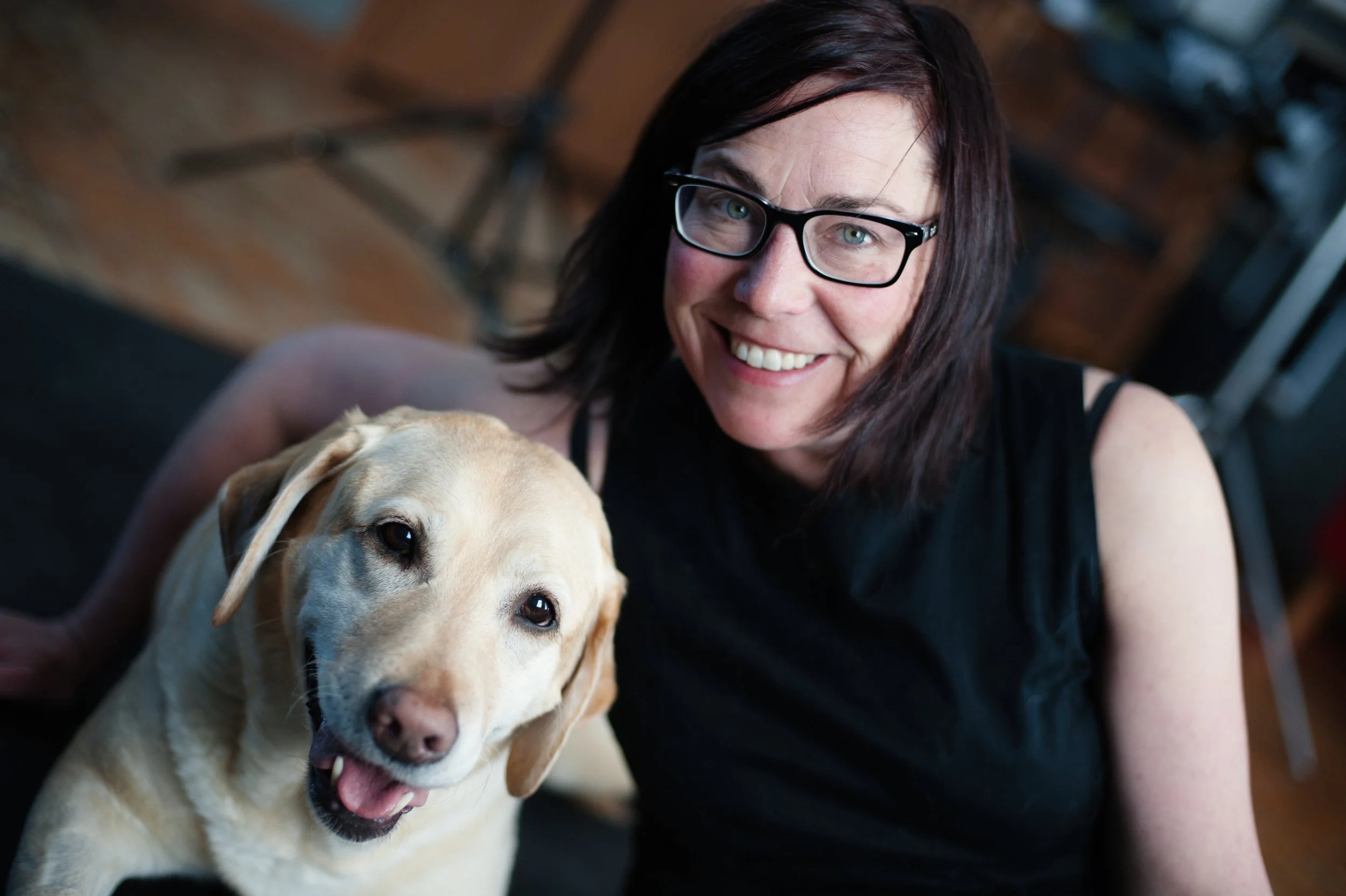
I bring a combination of deep listening, practical experience, and a steady presence in complex spaces. Clients often work with me when the work feels messy—when there are many stakeholders, unclear pathways, or pressure to act without enough time to think.
I help create the conditions for clarity without oversimplifying. That means designing processes that slow things down just enough for people to see patterns, surface assumptions, and make sense of what they’re learning—together. I bring structure when it’s needed, and flexibility when it isn’t, always with attention to power, participation, and whose knowledge is shaping decisions.
I also bring a strong grounding in evaluation and learning practice. I help teams use evidence as a tool for reflection and adaptation rather than compliance, and I translate complex information into insights that can actually inform action. Whether facilitating a conversation, coaching a team, or supporting a strategy or MEL process, I stay focused on what will support real decisions in real time.
Most of all, I bring an approach that is relational and respectful. I work alongside people rather than positioning myself as the expert with answers. My role is to help groups notice what they already know, make learning visible, and move forward with greater confidence and shared understanding.
We design and facilitate hands-on learning experiences that help organizations strengthen learning cultures, make sense of complexity, and turn reflection and evaluation into practical action and intentional reflection and action.
Our work brings people together to think systemically, learn from experience, and build shared understanding. Through workshops, facilitated processes, and embedded learning partnerships, we support teams to pause, reflect, and move forward with greater clarity and purpose.